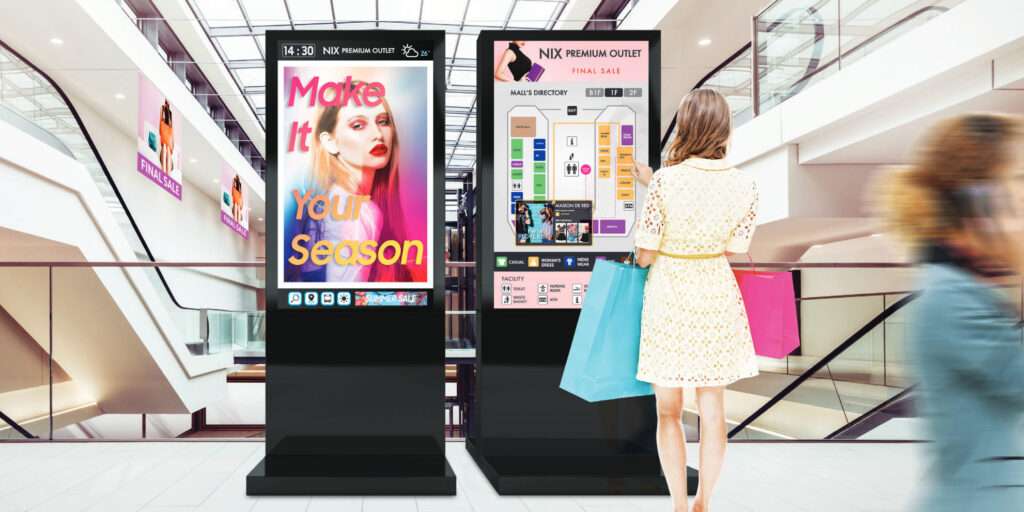
The demand for printing is increasing rapidly in the market and the technology has also evolved significantly since years. As the demand for different printing materials is increasing in the market. People are looking for instant printing solutions. From offset printing to modern printing, people are looking for fast, cost effective and high quality printing solutions. As printing technology has evolved, one such modern method is digital printing. Modern printing has transformed the printing industry by providing fast printing, excellent time and easy customization.
In this article, we will explain the meaning of digital printing, its key benefits, and the complete modern printing process step by step.
What is the Meaning of Digital Printing?
This is the modern printing method where you can directly print files like PDFs, JPEGs, PNGs and other design files from a computer. The computer is directly connected to the printing machines and you just have to give a command. Digital printing has made a big evolution to the printing industry. With the invention of modern printing you can get instant printing without compromising the quality. No matter if you have a small printing or order or a bulk, digital printing gives you instant solutions.
As compared to offset printing, modern printing is fast and reliable for fast results. It does not require printing plates as compared to offset printing. If we talk in simple words about what digital printing is then “a digital file directly goes onto paper, vinyl, fabric, acrylic, or other materials without complex setup.”
How Digital Printing is Different from Traditional Printing?
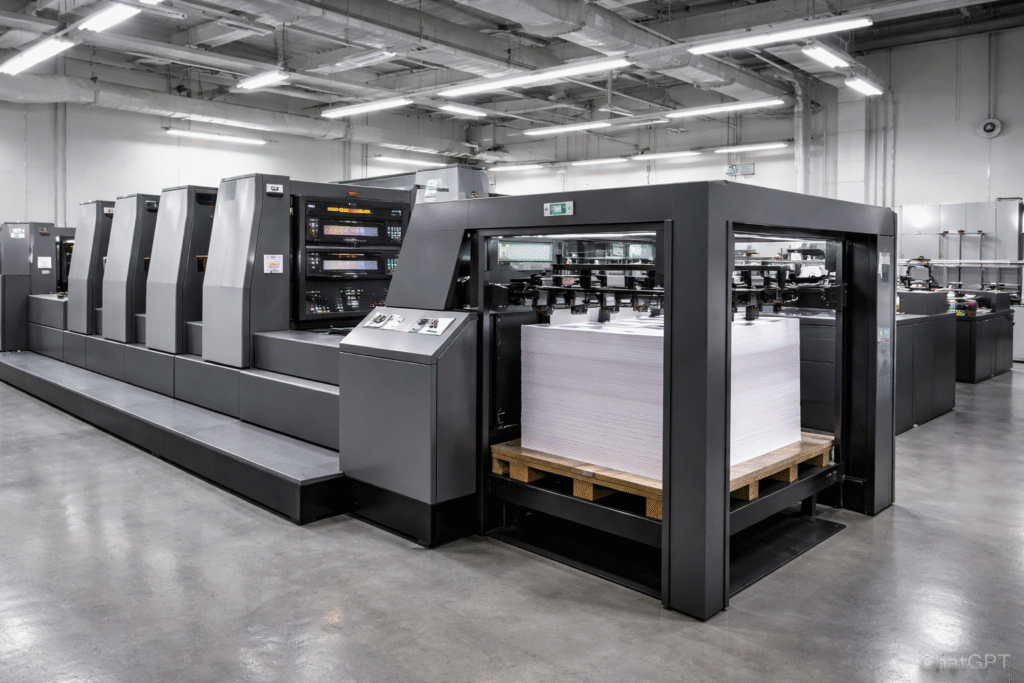
Traditional printing like offset printing is a time taking process and is suitable only for bulk orders. It requires metal plates for printing and once the design is ready you can not make any change to it. It can be cost effective for bulk printing orders.
Modern printing, on the other hand:
- Does not require plate-making
- Has minimal setup time
- Is perfect for short runs
- Allows easy customization
This makes digital printing ideal for small businesses, startups, and urgent printing jobs.
Types of Digital Printing
Here are the different types of digital printing methods-
- Inkjet Printing – Uses liquid ink sprayed directly onto the surface.
- Laser Printing – Uses toner and heat to produce sharp images.
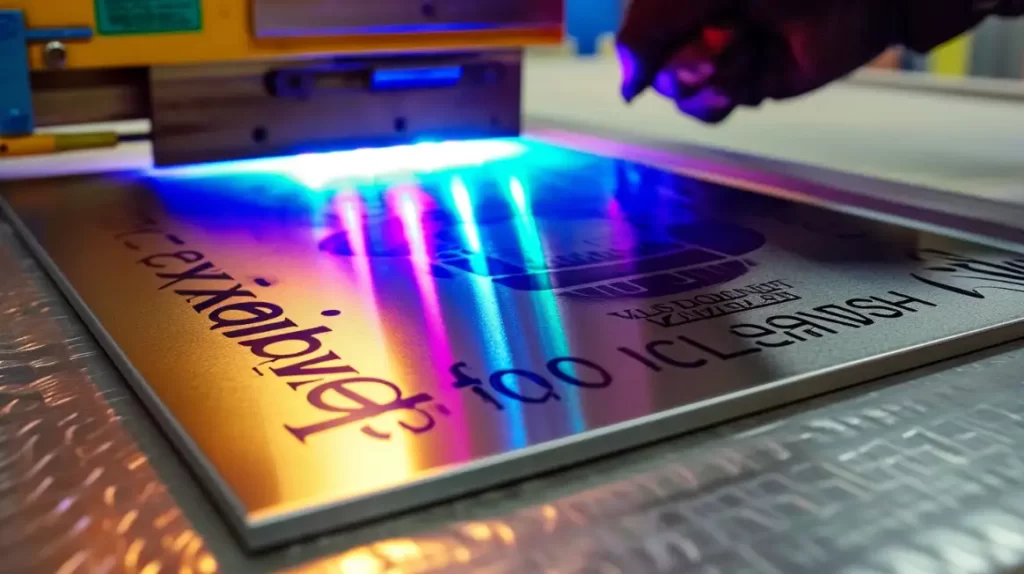
- UV Digital Printing – Uses UV light to cure ink instantly, suitable for acrylic, glass, and metal.
- Large Format Printing – Used for flex banners, posters, and hoardings.
- Textile Digital Printing – Used for T-shirt and fabric printing.
Benefits of Digital Printing
Here are the benefits of digital printing which make it ideal for printing-
1. Fast Turnaround Time
Digital printing needs a small setup and does not need much time. It is a fast printing method once the design is ready you can start printing. This is ideal for urgent printing projects and last-minutes orders.
2. Cost-Effective for Small Orders
Digital printing is cost effective as compared to offset printing because it does not require any design plate. No matter the bulk order or small order, its cost will be the same. It is very affordable for small quantities, as compared to offset printing which is economical only for large volumes.
3. High-Quality Output
Modern digital printers give high quality print with vibrant colors, sharp text and detailed images. You can use these printers for printing business cards, brochures, pamphlets, flex, banners, etc.
4. Easy Customization and Personalization
Digital printing offers you easy customization which is one of the biggest benefits of using digital printing. You can get customized logos, names, texts, images on each item. This is known as variable data printing which is used by the printing companies according to customers’ requirements.
5. Low Minimum Order Quantity
With the help of digital printing you can print even a single piece according to customers’ needs. It is also cost effective as compared to offset printing.
6. Environment-Friendly Option
Digital printing is eco-friendly because it does not produce too much waste as compared to traditional printing. It does not use printing plates and requires less chemicals.
Digital Printing Process – Step-by-Step Guide
Here is the complete process of how digital printing works.
Step 1 – Design Creation
One of the first steps is to create designs using the graphics software,high resolution images and proper colors. Creating a high quality design ensures high quality print quality.
Step 2 – File Preparation
The design file is checked for:
- Correct size and dimensions should be checked
- Bleed and margin settings should be checked
- Proper color mode (usually CMYK)
- Resolution (300 DPI recommended for print)
Step 3 – Printer Setup
The next step comes with the printer setup and choosing the right printing material such as paper, vinyl, flex, acrylic or fabric. Printers are adjusted according to the material.
Step 4 – Direct Printing
Now the final step comes: the design file is directly sent to the printer and the printer starts working on it. The printer applies ink or toner directly onto the material.
Step 5 – Finishing and Quality Check
After printing, finishing processes may include:
- Cutting and trimming
- Lamination
- Binding
Packaging
Conclusion
This is the modern method of printing digital files directly on the printing material from a computer to printer. This does not include any printing plates. There are multiple benefits of using digital printing like fast printing, cost effective, high quality print, and easy customization.
If you are also looking for a printing company in Noida. There are many printing companies available, whether you need business cards, brochures, pamphlets, flex banners, digital printing is a reliable solution for your business needs.